
A community in transition
Transition Forest Row
Supporting community-led responses to peak oil and climate change — building resilience, sustainability, and happiness together.
Our Mission
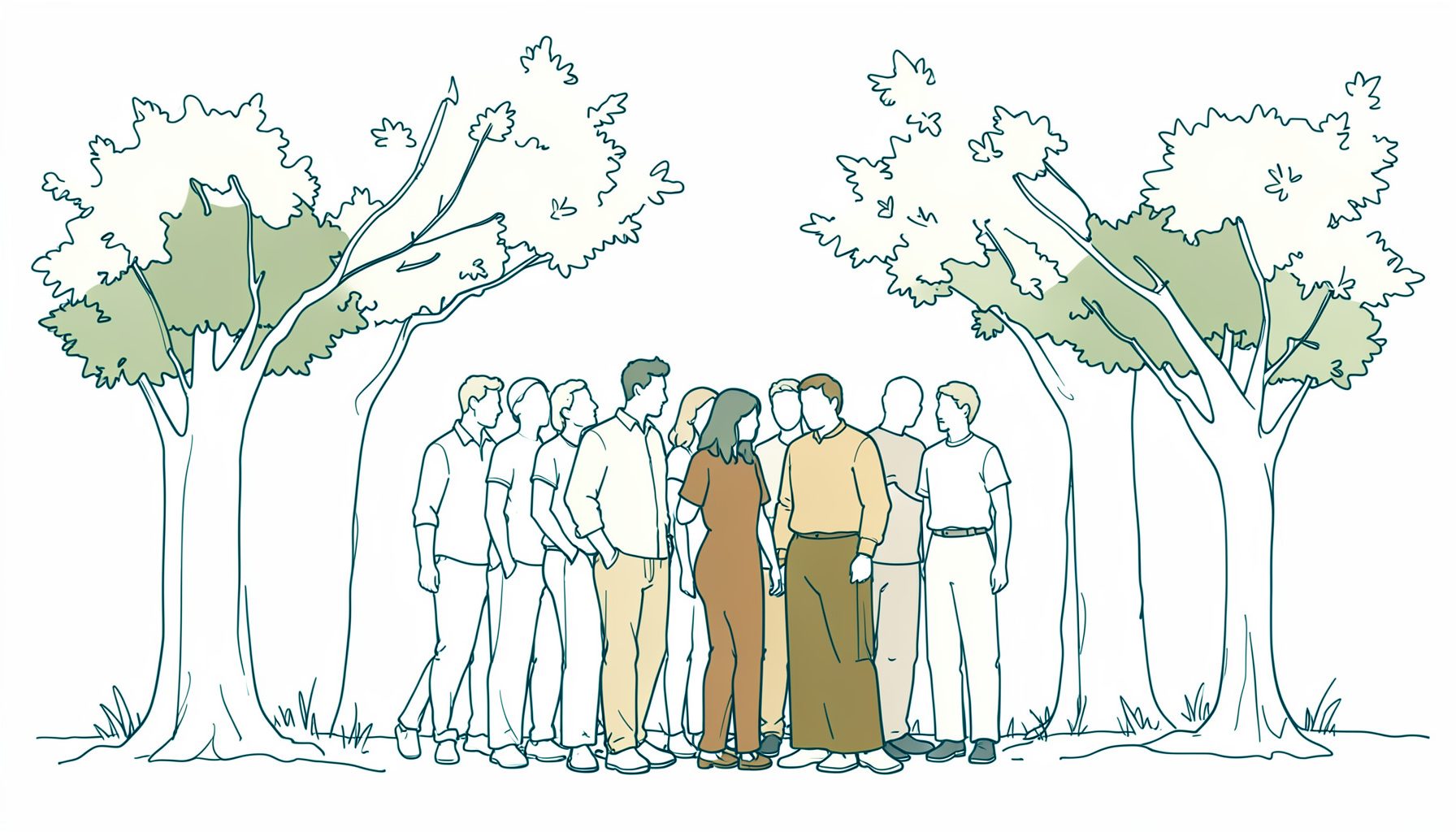
Transition Forest Row brings neighbours together to reimagine and rebuild our local community. We face the twin challenges of peak oil and climate change by sharing skills, running practical workshops, hosting film screenings, and creating spaces where everyone can contribute to a low-carbon, resilient future.
Learn by Doing
From building with hemp lime to forest gardening, our hands-on training courses — organised with Brighton Permaculture Trust — give you the skills to create a more sustainable home and landscape.
Browse Events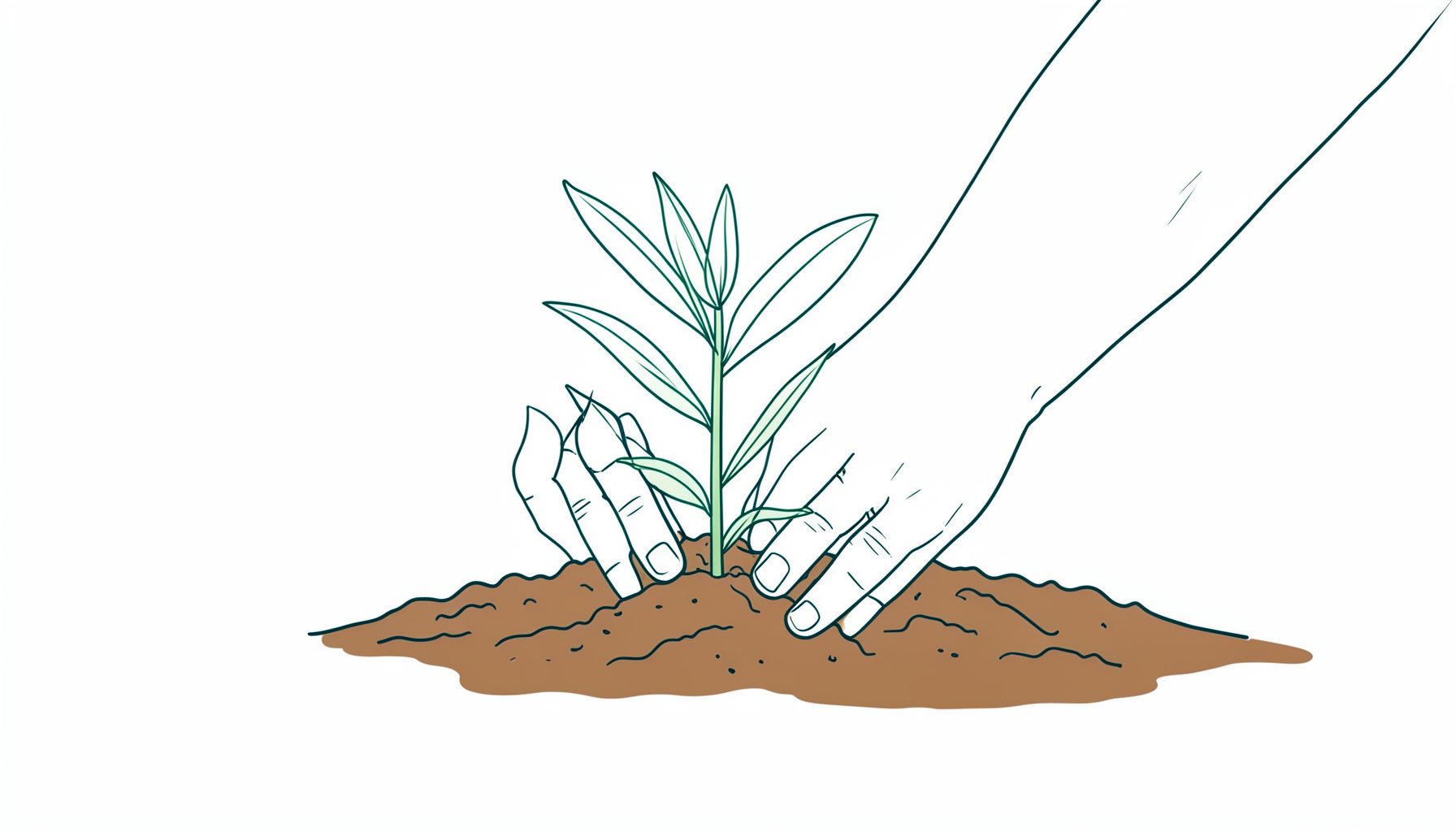
What We Offer
- Sustainable building courses — hemp lime, earthships, and straw bale construction
- Forest gardening and permaculture workshops at Stanmer Park
- Community film screenings at Village Hall, Forest Row
- Green Architecture Day talks with leading designers and builders
- A members' forum to share ideas, notes, photos, and updates
Community lies at the heart of Transition Forest Row. Here, neighbours connect not just as acquaintances but as collaborators in shaping a more resilient and joyful way of life. Through regular gatherings, film nights, and shared meals, bonds are strengthened and new ideas take root. The village hall becomes a hub of conversation and creativity, where people from all walks of life discover that the transition to a low-carbon future is not a solitary journey but a collective adventure built on trust, friendship, and mutual support.
Practical learning is one of the cornerstones of this community. Workshops and hands-on training courses invite everyone to explore skills that are both ancient and urgently relevant today. From natural building techniques using hemp lime to the art of forest gardening, participants gain confidence in working with the land and with natural materials. These sessions are not just about acquiring knowledge; they are about rediscovering a sense of agency and the deep satisfaction that comes from creating something tangible with one's own hands.
Energy lies at the centre of the transition challenge, and the community engages with it on multiple levels. The shift towards renewable sources is explored through local projects that demonstrate what is possible at a neighbourhood scale, including biomass heating solutions that keep communal spaces warm while dramatically reducing carbon footprints. These visible, working examples inspire households to rethink their own energy use and to consider how collective approaches can achieve what individual efforts alone might struggle to accomplish.
Transport is another vital thread in the fabric of a low-carbon community. Car clubs and electric vehicle initiatives offer practical alternatives to private car ownership, reducing both emissions and the financial burden on households. By sharing resources, neighbours discover new freedoms: fewer cars parked on streets, more space for people and greenery, and a quieter, cleaner village atmosphere. These schemes also spark wider conversations about how we move, why we travel, and what truly makes a journey worthwhile.
Underpinning every project and event is a deeper shift in perspective. The transition movement invites a fundamental rethinking of humanity's relationship with the planet and with each other. Through films, discussions, and the sharing of ideas from thinkers, scientists, and ordinary people doing extraordinary things, a new story emerges. It is a story that acknowledges the undeniable truths of a global crisis while remaining hopeful, poetic, and grounded in the belief that local action, taken together, can ripple outward in ways no one can fully predict.
Green Architecture Day
On March 19, 2016, the Sallis Benney Theatre in Brighton hosted a full day of talks on green building design. Speakers included Duncan Baker-Brown, Assemble, Ben Law, and Nic Pople, exploring reuse, woodland resources, and social art in architecture.
Read More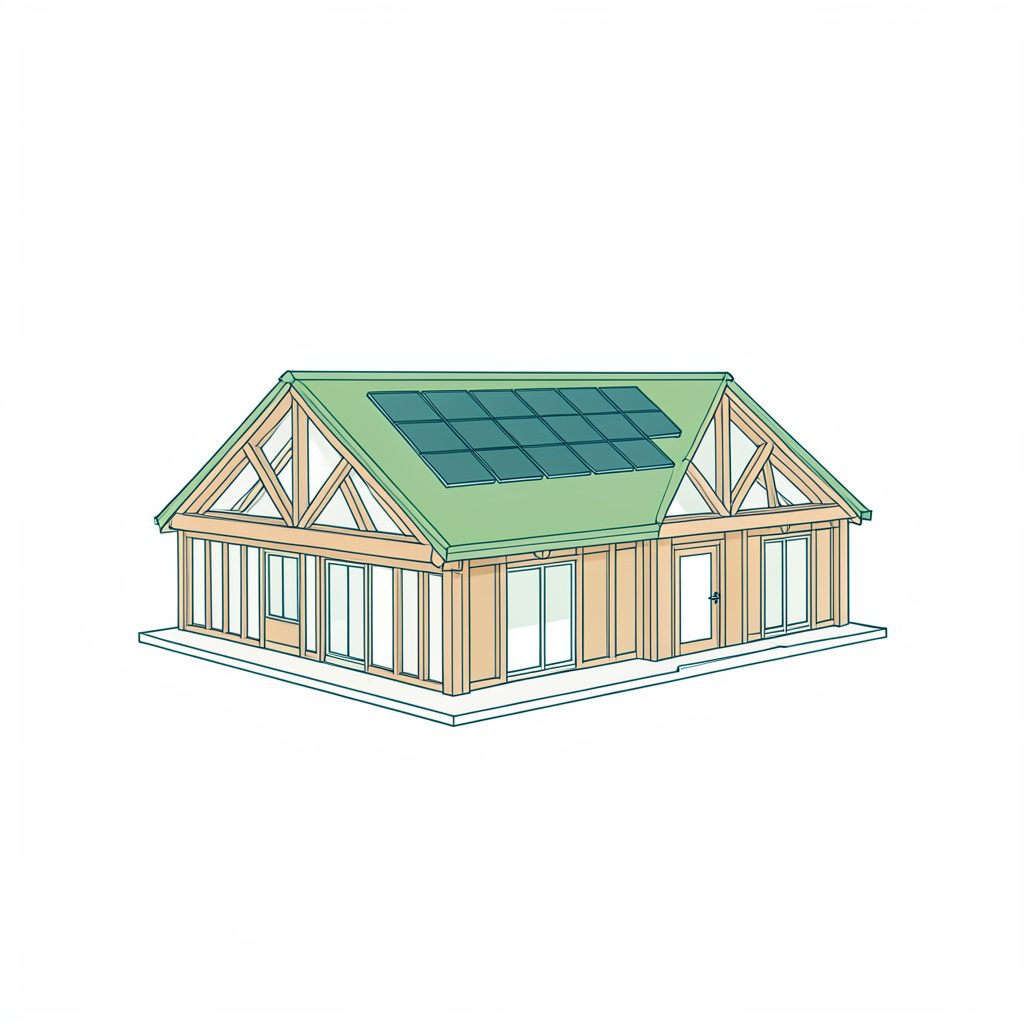
Join the Community
Sign up to connect with neighbours, join discussions, and stay informed about local events and workshops.
Become a MemberUpcoming Events
Browse training courses, film screenings, and talks — all organised by and for the Forest Row community.
View Events