
Sustainable Building Courses
Practical hands-on training in natural construction methods, organised by the Brighton Permaculture Trust.
Past Training Courses
Building with Hemp Lime
This course covered the practice and theory of building with hemp lime (hempcrete), a better-than-zero-carbon building material.
Course fee: £115–£250
Tutor: Alex Sparrow or William Stanwix
Self Building an Earthship
A three-day course exploring the principles and hands-on techniques behind earthship construction — self-contained buildings using recycled and natural materials.
Cost: £160–£310
Forest Gardening
A weekend course introducing the design and management of edible forest gardens, mimicking natural woodland ecosystems for food production.
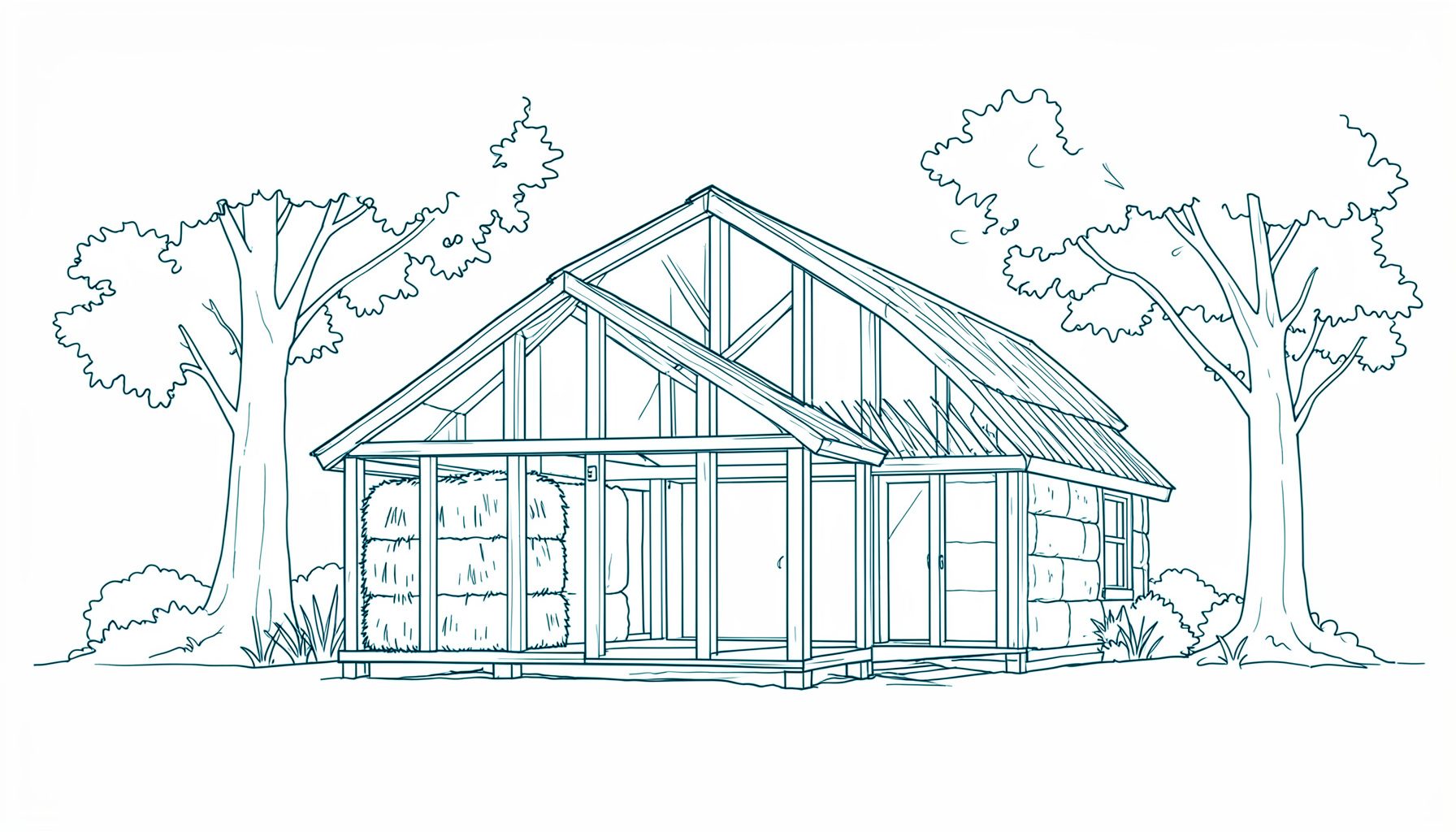
Building with Straw Bales
Practical sessions on straw-bale construction techniques, covering wall raising, detailing, and natural plastering.
Organised by Brighton Permaculture Trust
These sustainable building courses were run in partnership with experienced tutors and hosted at Stanmer Park. The Brighton Permaculture Trust has a long track record of delivering practical education in green construction, forest gardening, and low-impact living.
Learning to build with natural materials is a powerful act of community resilience. Courses that teach techniques like hemp lime construction or earthship design give people the skills to create homes that are energy-efficient, healthy, and low in carbon footprint. These hands-on workshops bring together neighbours, builders, and beginners alike, fostering a spirit of shared learning and mutual support. The knowledge gained in such training sessions stays with participants long after the course ends, empowering them to apply sustainable methods to their own homes and projects. In a time of climate uncertainty, practical building skills are among the most valuable tools a community can develop together.
Natural building materials offer remarkable environmental benefits compared to conventional alternatives. Hemp lime, for example, is a carbon-negative material that actively sequesters carbon dioxide as it cures, making it a genuinely climate-friendly choice for construction. Earthship buildings use recycled materials like tyres and bottles alongside earth ramming techniques to create structures that regulate their own temperature with minimal energy input. These approaches reduce reliance on industrial supply chains and fossil fuels, aligning perfectly with the goals of a community in transition. Learning about these materials opens up new possibilities for affordable, sustainable housing that works with nature rather than against it.
Workshops and training events are at the heart of the transition movement's approach to building local skills. When people gather to learn together, they not only gain technical knowledge but also strengthen the social bonds that make communities more resilient. A weekend spent mixing hemp lime or laying cob walls becomes an opportunity to share ideas, build friendships, and envision a different way of living. These gatherings often spark further collaboration, leading to tool libraries, skill-sharing networks, and neighbourhood projects that multiply the impact of the original training. Practical, hands-on education is one of the most effective ways to prepare for a lower-carbon future.
Sustainable construction is about more than individual buildings; it is about reimagining how we live together on the land. The principles behind natural building techniques encourage a thoughtful relationship with local resources, waste reduction, and designs that prioritise passive solar gain and natural ventilation. Communities that embrace these methods often discover that the process of building becomes as important as the finished structure. There is something deeply satisfying about creating shelter using materials that are abundant, non-toxic, and renewable. As more people gain confidence with these approaches, the vision of a truly sustainable village — one that houses its residents while regenerating the surrounding environment — moves closer to reality.